banner

News

  • March 26, 2026
    Safety Protocol: How to Properly Use and Maintain Electric Liquid Mosquito Repellers
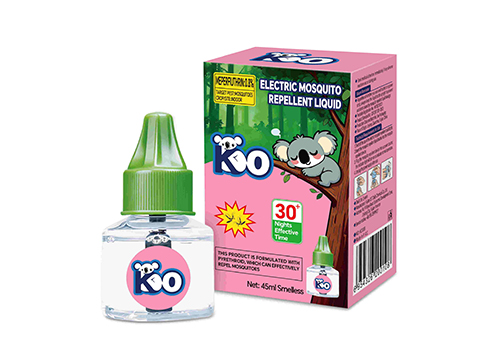
    Electric liquid mosquito repellers are a popular choice for continuous, hassle-free protection. However, because these devices use heating elements and chemical solutions, following specific safety protocols is essential to ensure both efficacy and household safety. 1. Optimal Placement and Usage To ensure the active ingredients disperse evenly and work effectively, follow these positioning guidelines: Upwind Placement: Place the heater on the upwind side of the room. This allows the natural airflow to carry the repellent across the entire space. No Obstructions: Never cover the heater with clothing, curtains, or any other items while it is in operation. Surface coverage can lead to overheating. Avoid Contact: Do not touch the metal heating plate with your hands while the device is plugged in or recently turned off. 2. Handling and Maintenance Proper care of the device and the refill bottles will extend the life of the product and maintain its performance: Protect the Wick: When moving the unit or replacing a bottle, be extremely careful not to break or bend the wick (the core rod inside the bottle). Keep it Clean: Maintain the cleanliness of the heating unit, especially the metal heat-transfer plate. If you notice residue buildup, wipe it gently with a dry, soft cloth. Note: Never use water, chemical solvents, or liquid cleaners on the heating unit. Storage: If the device will not be used for an extended period, unscrew the liquid bottle, replace its cap tightly, and store it in a cool, dry place. 3. Storage and Transport Safety Because the liquid contains active chemical agents, it must be treated with the same care as other household medicines or pesticides: Keep Out of Reach: Store all refills in a cool, dry area well out of reach of children and pets. Environment: Protect the product from high temperatures and direct sunlight. Isolation: Never store mosquito liquids near food, seeds, or flammable/explosive materials. Transportation: Handle with care during transit. Avoid heavy impacts and ensure the bottles are kept upright to prevent leakage. 4. When to Replace Your Device Like all electronic appliances, mosquito heaters have a limited lifespan. Service Life: Most heaters are designed to last 2 to 3 years. The Efficacy Test: If you notice that the liquid level has not changed (or has barely moved) after a full night of use, the heating element has likely failed. In this case, replace the heater immediately to ensure your room remains protected.
  • March 26, 2026
    Mosquito Coils, Mats, or Liquid? A Professional Guide to Selection and Safety
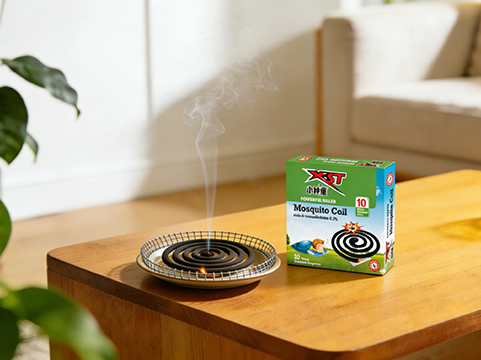
    Choosing the right mosquito repellent can be overwhelming with so many options on the market. From traditional coils to modern electric diffusers, each has its pros and cons. As part of our health and safety series, we break down the science behind these products and how to use them safely. 1. Comparing Mosquito Repellents: Coils vs. Electric Plug-ins While the delivery methods differ, the goal remains the same. Here is how they stack up: Traditional Coils (Spiral): These are generally the most affordable and offer slightly stronger repellent power. However, they involve an open flame and produce smoke, which may not be suitable for all environments. Electric Mats (Pads): These are safer and more convenient as they eliminate the fire hazard of an open flame. They are ideal for bedrooms. Liquid Electric Repellents: These are the most popular choice for modern households due to their convenience—one bottle can last 20 to 40 days without needing daily replacement. 2. The Science: Are Mosquito Repellents Toxic? A common misconception is that "smokeless" or electric repellents are less toxic than traditional coils. In reality, the active ingredients are almost identical. The Active Ingredient: Pyrethroids Most commercial mosquito products use Pyrethroids (such as Allethrin or Permethrin). These are synthetic insecticides recommended by the World Health Organization (WHO) for controlling public health pests. Safety Status: When used as directed, pyrethroid-based products are safe for the general adult population. The Cause of Discomfort: If you experience dizziness or throat irritation, it is often caused by the solvents used (such as kerosene or alcohol) rather than the insecticide itself. Warning: Avoid "black market" products that lack proper registration. Illegal manufacturers may add harmful organophosphates (like DDVP) to boost efficacy, which can cause chronic poisoning. 3. Expert Tips for Maximum Efficacy To get the most out of your mosquito protection, follow these professional application strategies: The "Two-Hour" Rule: Always activate your mosquito coil or electric heater 2 to 3 hours before going to sleep. It takes time for the chemical concentration in the air to reach the level required to repel or knockdown mosquitoes. Optimal Placement: Place coils or diffusers at the upwind side of the room. In an air-conditioned, sealed room, the efficacy is significantly enhanced. Rotation Strategy: Mosquitoes can develop resistance to specific chemicals over time. Periodically switch between different brands or types of repellents to maintain high effectiveness. The "Mat Recycling" Hack: For electric mats, you can cut a new mat into thirds. Placing a small new piece alongside used pieces can save money while still providing adequate protection for smaller rooms (10-15 sqm). 4. Safety for Vulnerable Groups: Seniors and Infants While chemical repellents are approved for general use, the respiratory systems of elderly individuals and infants are more sensitive. The Professional Recommendation: Prioritize physical barriers first: Install high-quality window screens, use mosquito bed nets, and utilize electric fly swatters. If chemical repellents are necessary, choose alcohol-based liquid repellents over kerosene-based ones, and ensure the room is well-ventilated after use. 5. How to Identify Safe Products Before purchasing, always check the packaging for these three essential credentials (or their local international equivalents): Pesticide Registration Number Enterprise Standard Number Health Approval Certification Pro Tip for Homeowners: Spraying a "long-acting" residual insecticide on your window screens can provide a protective shield that lasts up to one month, preventing mosquitoes from even entering your living space.
  • March 26, 2026
    Essential Guide to Mosquito Prevention and Disease Control: Protect Your Health
    Mosquitoes are more than just an annoyance; they are significant vectors for global health risks. Whether you are managing a household or preparing for international travel, understanding how to effectively repel mosquitoes and prevent the spread of infection is critical.   This guide provides expert insights into mosquito-borne diseases, effective repellent usage, and travel safety protocols. 1. What Diseases Do Mosquitoes Carry? Mosquitoes are responsible for transmitting several severe infectious diseases. Understanding the risks is the first step in prevention. Key diseases include: Malaria and Yellow Fever: Common in tropical regions. Japanese Encephalitis (JE): Primarily found in agricultural areas. Dengue Fever and Chikungunya: Known for causing high fever and joint pain. Zika Virus: Mainly transmitted by the Aedes aegypti and Aedes albopictus (Tiger Mosquito) species.   2. Professional Tips for Using Mosquito Repellents To maximize the effectiveness of your repellent, application technique is key: Target Exposed Skin: Apply repellent to the head, limbs, and neck. Pay close attention to behind the ears and the back of the neck. Safe Application: Always avoid the eyes and mouth. For children, spray the repellent onto your hands first, then rub it onto their skin. Reapplication Schedule: In outdoor or humid environments, reapply every 2 to 4 hours to ensure the protective barrier remains active.   3. How to Treat and Manage Mosquito Bites Most bites cause minor itching, but they should be monitored closely: Itch Relief: Apply cooling oils, essential balms (such as Tiger Balm), or anti-itch creams to reduce inflammation. Medical Warning: If you develop localized swelling, signs of infection, a high fever, or a skin rash, seek medical attention immediately. These can be early symptoms of a mosquito-borne illness.   4. Preventing Infection Spread to Family and Friends If you are infected with a mosquito-borne disease, you become part of the transmission cycle. To protect your loved ones: Avoid Further Bites: Use window screens and mosquito nets at home to ensure no mosquitoes bite you and then pass the virus to others. Physical Barriers: Wear light-colored long sleeves and trousers if you must be in common areas. Seek Isolation: Minimize outdoor activities during the symptomatic phase of the illness.   5. Safe Travel: Avoiding Bites in High-Risk Zones Traveling to areas where Dengue, Zika, or Yellow Fever are prevalent requires extra preparation: Treated Clothing: Consider wearing clothing and socks pre-treated with permethrin (an insecticide) for an added layer of defense. Smart Lodging: Book accommodations that are well-sealed, feature air conditioning, and have high-quality window screens. Color Matters: Wear light-colored clothing, as mosquitoes are more attracted to dark, heat-absorbing colors. Medical Disclaimer: This information is for educational purposes only. If you suspect you have contracted a mosquito-borne illness, please consult a healthcare professional immediately.

leave a message

leave a message
If you are interested in our products and want to know more details,please leave a message here,we will reply you as soon as we can.

home

products

WhatsApp

Contact Us