

QU'EST-CE QUE TU CHERCHES?
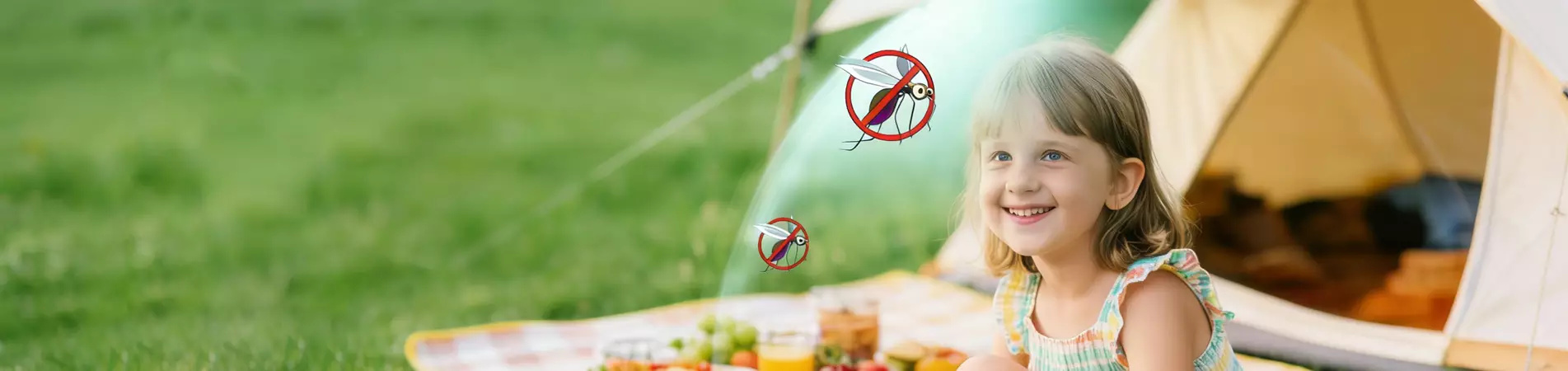
Les moustiques sont bien plus qu'une simple nuisance ; ils constituent d'importants vecteurs de risques sanitaires à l'échelle mondiale. Que ce soit pour gérer son foyer ou préparer un voyage international, il est essentiel de savoir comment repousser efficacement les moustiques et prévenir la propagation des infections.
Ce guide fournit des informations d'experts sur les maladies transmises par les moustiques, l'utilisation efficace des répulsifs et les protocoles de sécurité en voyage.
Les moustiques sont responsables de la transmission de plusieurs maladies infectieuses graves. Comprendre les risques est la première étape de la prévention. Parmi les principales maladies, on peut citer :
Paludisme et fièvre jaune : fréquents dans les régions tropicales.
Encéphalite japonaise (EJ) : se rencontre principalement dans les zones agricoles.
Dengue et chikungunya : connues pour provoquer une forte fièvre et des douleurs articulaires.
Virus Zika : Principalement transmis par les espèces Aedes aegypti et Aedes albopictus (moustique tigre).
Pour optimiser l'efficacité de votre répulsif, la technique d'application est essentielle :
Zones de peau exposées : Appliquez le répulsif sur la tête, les membres et le cou. Insistez particulièrement sur la zone derrière les oreilles et la nuque.
Utilisation sans danger : Éviter tout contact avec les yeux et la bouche. Pour les enfants, vaporiser d’abord le répulsif sur les mains, puis l’appliquer sur la peau.
Fréquence de réapplication : En extérieur ou en milieu humide, réappliquer toutes les 2 à 4 heures pour garantir le maintien de la barrière protectrice.
La plupart des piqûres provoquent de légères démangeaisons, mais elles doivent être surveillées de près :
Soulagement des démangeaisons : Appliquez des huiles rafraîchissantes, des baumes essentiels (comme le baume du tigre) ou des crèmes anti-démangeaisons pour réduire l’inflammation.
Avertissement médical : En cas de gonflement localisé, de signes d’infection, de forte fièvre ou d’éruption cutanée, consultez immédiatement un médecin. Il peut s’agir des premiers symptômes d’une maladie transmise par les moustiques.
Si vous contractez une maladie transmise par les moustiques, vous participez à la transmission. Pour protéger vos proches :
Pour éviter d'autres piqûres : utilisez des moustiquaires et des moustiquaires à domicile pour éviter que les moustiques ne vous piquent et ne transmettent le virus à d'autres personnes.
Barrières physiques : Portez des vêtements à manches longues et des pantalons de couleur claire si vous devez vous trouver dans des espaces communs.
Isolez-vous : limitez vos activités extérieures au minimum pendant la phase symptomatique de la maladie.
Voyager dans des régions où la dengue, le Zika ou la fièvre jaune sont répandus nécessite une préparation supplémentaire :
Vêtements traités : Envisagez de porter des vêtements et des chaussettes prétraités à la perméthrine (un insecticide) pour une protection supplémentaire.
Hébergement intelligent : Réservez des hébergements bien isolés, climatisés et dotés de moustiquaires de haute qualité.
La couleur compte : portez des vêtements de couleur claire, car les moustiques sont davantage attirés par les couleurs sombres qui absorbent la chaleur.
Avertissement médical : Ces informations sont fournies à titre informatif uniquement. Si vous pensez avoir contracté une maladie transmise par les moustiques, veuillez consulter immédiatement un professionnel de la santé.
laisser un message
Scannez vers WeChat :

Scannez vers WhatsApp :

 français